

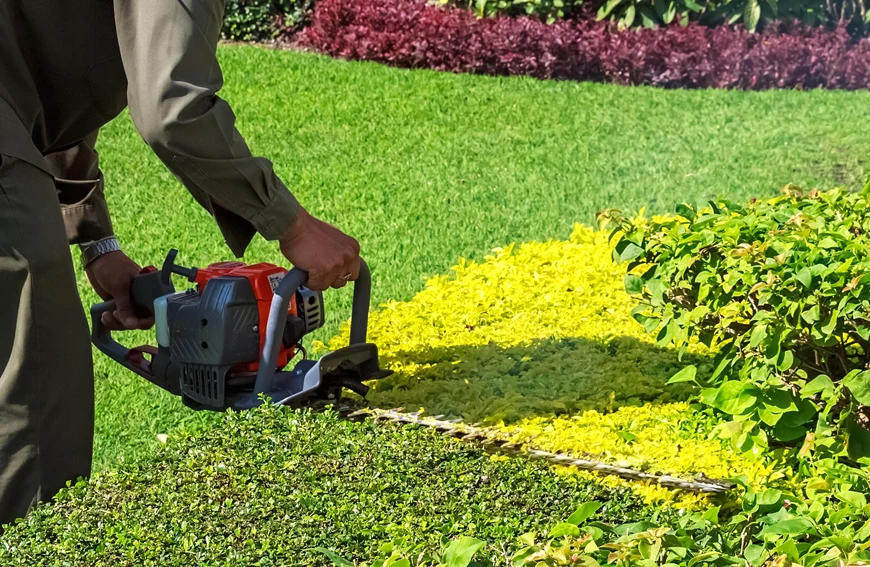
Spring is one of the most rewarding times of year for any homeowner who takes pride in their landscape. As the snow melts and buds begin to swell across Richmond Hill and the GTA, your shrubs start signalling that they’re ready for a fresh start. A thoughtful spring trim sets the tone for a healthy growing season, encourages strong new growth, and keeps your yard looking polished from April right through to autumn.
But spring shrub trimming isn’t just about aesthetics. Done correctly, it improves plant health, prevents disease, and helps shrubs put their energy into the right places. Done incorrectly, it can stunt growth, reduce flowering, or even damage the plant for years to come. Here’s everything you need to know to get it right this season.
Why Spring Is the Right Time to Trim Most Shrubs
After a long Ontario winter, shrubs often emerge with broken branches, winter dieback, and a generally messy appearance. Spring trimming gives your plants a clean slate before they pour energy into new growth. It also opens up the canopy so light and air can reach inner branches, reducing the risk of fungal disease.
Timing matters more than most homeowners realize. The general rule is simple:
- Summer-flowering shrubs (like potentilla, smooth hydrangea, and rose of Sharon) should be trimmed in early spring before new growth begins.
- Spring-flowering shrubs (like forsythia, lilac, and azalea) should be trimmed after they finish blooming, since they bloom on old wood.
- Evergreen shrubs (like cedar, boxwood, and yew) benefit from a light shaping in late spring once the risk of hard frost has passed.
The Benefits of Professional Spring Shrub Trimming
While many homeowners enjoy doing yard work themselves, shrub trimming is one of those tasks where professional results really show. A trained arborist understands species-specific cuts, growth patterns, and the right tools for each shrub type. Hiring a professional hedge and shrub trimming service means your plants are shaped with the long-term health of the landscape in mind.
Some of the biggest benefits include:
- Improved plant health through removal of dead, diseased, or damaged wood
- Better flowering and fruiting thanks to strategic cuts that encourage new buds
- Enhanced curb appeal with clean, defined shapes and tidy property lines
- Reduced pest pressure since open canopies are less attractive to many insects
- Safer properties with no overgrown branches blocking pathways or windows
Common Spring Shrub Trimming Mistakes to Avoid
Even well-meaning homeowners can accidentally harm their shrubs with a few common mistakes. Avoiding these will save you time, money, and frustration down the road.
The most frequent issues we see across the GTA include:
- Cutting too late on spring bloomers — pruning lilacs or forsythia before they flower removes this year’s blooms entirely.
- Topping or “rounding” shrubs aggressively, which weakens the plant and creates dense outer growth that shades out the interior.
- Using dull or unsterilized tools, which crush stems and spread disease between plants.
- Removing more than one-third of the plant in a single season, which can shock the shrub.
- Ignoring structural issues like crossing branches or weak crotches that need cabling or support.
For larger or older shrubs with structural concerns, cabling and bracing may be a better option than aggressive cutting. The right approach depends on the species, age, and overall condition of the plant.
Tools and Techniques That Make a Difference
The tools you use matter just as much as the cuts you make. Sharp, clean equipment produces smooth wounds that heal faster, while dull tools tear tissue and invite pathogens. According to the Government of Canada’s plant health resources, sanitation between cuts is one of the most effective ways to prevent the spread of plant disease in residential landscapes.
A basic spring trimming kit should include:
- Bypass hand pruners for branches up to ¾ inch thick
- Loppers for branches between ¾ and 1½ inches
- Hedge shears for shaping formal hedges and small-leaved evergreens
- A pruning saw for thicker, woody growth
- Disinfectant (rubbing alcohol or a 10% bleach solution) for sterilizing blades
Always cut just above an outward-facing bud at a slight angle. This directs new growth outward and helps water run off the cut surface rather than pooling on it.
When to Call in the Professionals
Some spring trimming projects go beyond what a typical homeowner should tackle. If your shrubs are taller than you can comfortably reach, growing near power lines, or showing signs of disease or decay, it’s time to bring in a certified team. The same goes for properties with mature, valuable plantings where one wrong cut can mean years of recovery.
At Five Star Tree Services, our team has been caring for shrubs and trees across Richmond Hill, Aurora, Vaughan, and the GTA for over a decade. Whether you need a one-time spring cleanup, ongoing tree care and maintenance, or a full arborist consultation for a larger landscape project, we’re here to help. You can request a free quote online or call us at (416) 990-3355 to book a spring assessment.
A little expert attention this spring goes a long way toward a healthier, more beautiful yard for the rest of the year.