Tree removal in Aurora isn’t as simple as cutting down a tree when it becomes inconvenient or unsafe. With a strong emphasis on environmental preservation and community safety, Aurora has specific bylaws and requirements that homeowners and property managers must understand before removing trees. Failing to follow local regulations can result in fines, delays, and unnecessary complications.
In this guide, we’ll break down how tree removal works in Aurora, why bylaws exist, what property owners need to know, and how professional tree services help ensure compliance while protecting your property.
Why Tree Removal Is Regulated in Aurora
Aurora is known for its mature tree canopy and commitment to maintaining green spaces. Trees play a vital role in improving air quality, preventing soil erosion, managing stormwater, and enhancing neighbourhood character.
Local bylaws are designed to:
- Protect healthy and mature trees
- Preserve neighbourhood aesthetics
- Encourage responsible land development
- Ensure public safety
These regulations help balance property owner rights with environmental responsibility.
When Tree Removal Is Necessary
Although preservation is encouraged, certain circumstances make tree removal unavoidable. Trees that pose safety risks or are beyond recovery often require professional intervention.
Common reasons for removal include:
- Dead or dying trees
- Severe storm damage
- Disease or pest infestations
- Structural instability or leaning
- Roots damaging foundations, sidewalks, or utilities
In these situations, removing the tree responsibly helps prevent injury and property damage.
Understanding Aurora’s Tree Protection Bylaws
Aurora’s tree bylaws typically focus on protecting trees above a certain size, usually measured by trunk diameter at breast height. Trees that meet or exceed this size are often classified as protected and may require approval prior to removal.
Bylaws are generally intended to:
- Prevent unnecessary removal of healthy trees
- Encourage alternatives like pruning or treatment
- Support urban forest sustainability
Because bylaws can vary depending on location and property type, professional guidance is often essential.
Trees Commonly Protected Under Local Bylaws
In many cases, trees considered part of Aurora’s urban canopy receive greater protection. These may include:
- Mature hardwood trees
- Trees located in conservation or sensitive areas
- Trees within subdivisions or regulated zones
Removing protected trees without proper authorization can result in penalties.
Situations That May Require a Permit
In Aurora, a permit is often required when:
- Removing a tree above the regulated size
- Conducting tree removal during construction or renovation
- Clearing multiple trees on a property
- Working near public land or right-of-ways
Permits help the municipality assess environmental impact and ensure proper mitigation measures are in place.
Exceptions to Permit Requirements
Some situations may allow for tree removal without a formal permit, such as:
- Dead or severely hazardous trees
- Trees posing immediate risk to people or structures
- Trees damaged beyond recovery by storms
Even in emergency cases, documentation and professional assessment are often recommended to demonstrate compliance.
The Role of Professional Tree Assessments
Determining whether a tree qualifies for removal under local regulations requires expertise. Professional arborists evaluate:
- Tree health and structure
- Level of risk posed to property or people
- Root stability and soil conditions
- Potential alternatives to removal
These assessments provide valuable documentation and support permit applications when required.
How the Permit Process Works
While the exact process may vary, permit applications typically require:
- Detailed information about the tree
- Reason for removal
- Arborist evaluation or report
- Site plans or photos
Approval ensures the removal aligns with municipal standards and environmental goals.
Tree Replacement and Compensation Requirements
In some cases, removal approval may include conditions such as:
- Planting replacement trees
- Paying a compensation fee
- Contributing to local tree planting programs
These measures help offset the environmental impact of tree removal and maintain Aurora’s canopy coverage.
Tree Removal on Residential Properties
Homeowners often assume they can remove trees freely on private property, but this isn’t always the case in Aurora. Even trees fully within property boundaries may fall under municipal regulations.
Before proceeding, homeowners should:
- Confirm whether the tree is protected
- Arrange a professional evaluation
- Understand permit requirements
This proactive approach prevents fines and ensures responsible decision-making.
Tree Removal for Renovations and Development
Construction and landscaping projects frequently involve tree removal, but additional rules often apply.
Considerations include:
- Tree protection during construction
- Buffer zones around retained trees
- Planning removals before ground disturbance begins
Professional tree services coordinate closely with contractors to minimize disruption and ensure compliance throughout the project.
Environmental and Safety Considerations
Tree removal affects more than just the individual tree. It can impact soil stability, drainage, wildlife, and neighbouring vegetation.
Professional arborists assess:
- Impact on surrounding trees
- Risk of erosion after removal
- Safe methods to prevent collateral damage
This careful planning protects both the environment and your property.
Why DIY Tree Removal Is Not Advisable
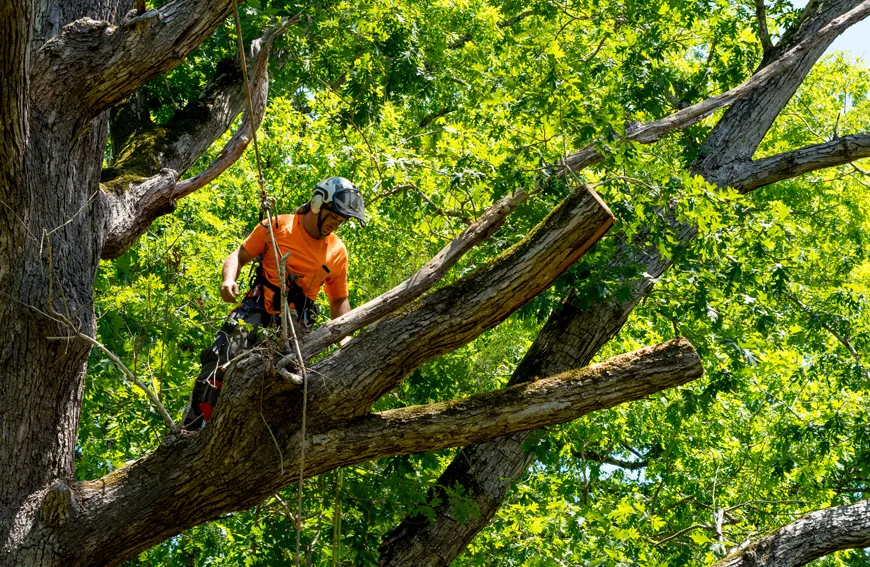
Tree removal is one of the most hazardous property maintenance tasks, especially in regulated areas like Aurora.
DIY removal risks include:
- Serious injury
- Property damage
- Uncontrolled tree falls
- Legal consequences for bylaw violations
Professional crews use advanced equipment, safety protocols, and precise removal techniques to manage risk effectively.
Emergency Tree Removal in Aurora
Storms, heavy snow, and high winds can create urgent situations. Fallen or unstable trees may block driveways, damage roofs, or interfere with power lines.
Professional emergency tree removal services:
- Respond quickly
- Secure hazardous areas
- Remove fallen debris safely
- Prevent further damage
Having a trusted professional ensures emergencies are handled efficiently and safely.
How Five Star Tree Services Supports Aurora Property Owners
Five Star Tree Services understands Aurora’s tree bylaws and the importance of responsible tree care. Our experienced team helps property owners:
- Assess tree health and risk
- Navigate permit and bylaw requirements
- Plan safe and compliant tree removal
- Protect surrounding landscapes during service
We focus on practical solutions that prioritize safety while respecting local regulations and environmental values.
Long-Term Benefits of Proper Tree Management
Responsible tree care doesn’t end with removal. Ongoing maintenance and strategic planning help prevent future issues and reduce the need for removals.
Benefits include:
- Healthier remaining trees
- Lower storm-related risks
- Improved property appearance
- Better compliance with local rules
Professional guidance helps maintain a safe and attractive landscape year-round.
Choosing the Right Time for Tree Removal
Timing matters when it comes to tree removal. Seasonal considerations, weather conditions, and permit timelines all influence the process.
Professional tree services help schedule removal at the safest and most efficient time while minimizing disruption to your property.
Making Informed Decisions Protects Your Property
Understanding Aurora’s tree removal bylaws empowers property owners to make informed, responsible decisions. Whether dealing with a hazardous tree, planning renovations, or responding to storm damage, professional tree removal ensures safety, compliance, and peace of mind.
Working with experienced arborists helps navigate regulations confidently while preserving the natural beauty that makes Aurora such a desirable place to live.
If you’re unsure whether a tree on your property requires removal or falls under local bylaws, a professional assessment is the best place to start.