If you own a home or commercial property in Aurora, your trees are some of your most valuable outdoor assets. They boost curb appeal, provide shade, and even increase property value. But trees also need ongoing care, and at some point, every Aurora property owner faces a tough question: should you trim the tree or remove it altogether?
The answer isn’t always obvious. The right choice depends on the tree’s health, location, age, and the safety of everything around it. This guide breaks down the key differences between tree trimming and tree removal so you can make a confident, informed decision for your property.
Understanding the Difference Between Tree Trimming and Tree Removal
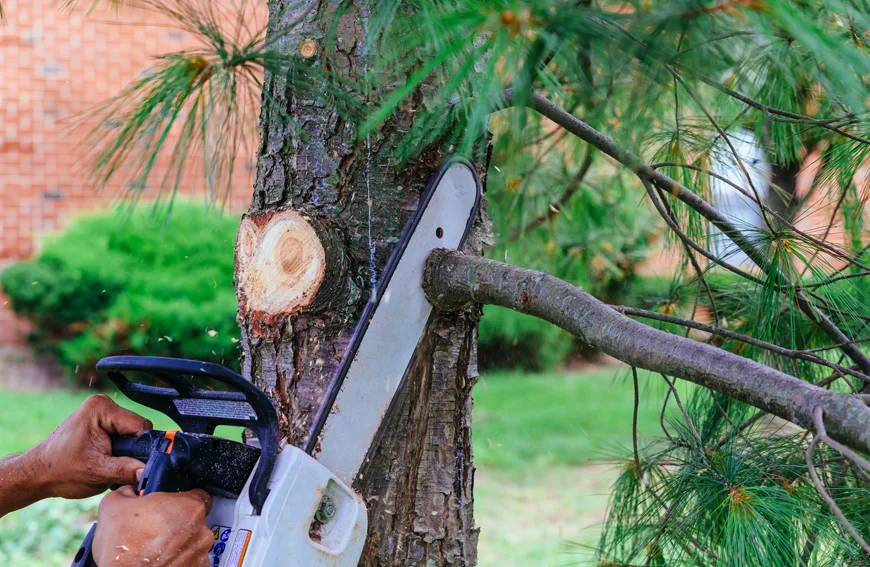
Tree trimming (also called pruning) is a maintenance service that involves selectively cutting back branches to shape the tree, improve its health, and reduce safety risks. Trimming preserves the tree while encouraging stronger, healthier growth.
Tree removal, on the other hand, is the complete cutting down and extraction of a tree from your property. It’s typically a last resort, reserved for trees that are dead, diseased beyond saving, structurally unsafe, or interfering with construction or utility lines. You can learn more about our full tree removal services and how the process works.
When Tree Trimming Is the Right Choice
Trimming is the preferred option whenever a tree is healthy and structurally sound. Regular pruning extends a tree’s lifespan, encourages fruit and flower production, and prevents minor issues from turning into major hazards.
Consider professional trimming and pruning when you notice any of the following:
- Branches growing too close to your roof, siding, or windows
- Limbs hanging over driveways, walkways, or play areas
- Dead or broken branches scattered throughout an otherwise healthy tree
- Overgrown canopies blocking sunlight from reaching your lawn or garden
- Crossing or rubbing branches that may cause wounds and decay
- Branches interfering with power lines or street visibility
Trimming is also seasonal work. According to Canada’s Tree Canada organization, late winter and early spring are often ideal for pruning most species because trees are dormant and wounds heal quickly once growth resumes.
When Tree Removal Becomes Necessary
Sometimes trimming simply isn’t enough. A tree that’s dying, structurally compromised, or posing an immediate threat to people or property may need to come down. Removing a hazardous tree protects your home, family, vehicles, and neighbours from costly accidents.
Here are the most common signs that removal is the better path:
- The tree is dead or more than 50% of its canopy is dead
- There’s a large cavity, crack, or split in the trunk
- The tree is leaning significantly after a storm
- Roots are damaging your foundation, septic system, or driveway
- The species is invasive or aggressively shedding limbs
- Disease or pest infestation has spread beyond recovery
If you’re unsure, our guide on signs your tree may need to be removed walks through the warning signals in more detail.
Aurora-Specific Considerations You Shouldn’t Overlook
Aurora’s mix of mature neighbourhoods, established subdivisions, and newer developments means tree care decisions vary widely from property to property. Older homes near Yonge Street and the historic core often have decades-old maples, oaks, and ash trees that may need closer monitoring, especially with the ongoing impact of Emerald Ash Borer across Ontario.
Aurora also has its own tree protection bylaw. Before removing certain trees on private property, you may need a permit from the Town of Aurora. We help homeowners navigate this process through our tree removal permit service so you stay compliant and avoid fines.
Cost, Safety, and Long-Term Value
Trimming is almost always less expensive than removal in the short term, but that’s not the only factor to consider. A tree that’s left untreated when it really should be removed can cause far more expensive damage later — to roofs, fences, vehicles, or even people.
When weighing the two options, think about:
- Safety: Is the tree currently a risk, or could it become one in the next storm?
- Health: Can pruning realistically restore the tree, or is the damage too advanced?
- Property goals: Are you planning landscaping, a renovation, or new construction?
- Surrounding trees: Will keeping a diseased tree threaten healthy ones nearby?
For homeowners planning renovations or new builds, our construction tree services help you protect valuable trees while clearing the ones that genuinely need to go.
Why Professional Assessment Matters
Many Aurora property owners assume they can make this call on their own, but trees can be deceiving. A tree that looks healthy on the outside may have internal decay, weak branch unions, or root problems that aren’t visible from the ground. Likewise, a tree that looks like a goner may simply need corrective pruning and a few seasons to recover.
A certified arborist can evaluate your tree’s true condition and recommend the right course of action. With over a decade of experience serving Aurora and the wider GTA, our team provides honest assessments — not upsells. If trimming will solve the problem, we’ll tell you. If removal is the safer choice, we’ll explain exactly why.
Make the Right Call for Your Aurora Property
Choosing between tree trimming and tree removal doesn’t have to be stressful. With the right information and a trusted professional opinion, you can keep your property safe, beautiful, and code-compliant year after year.
If you’d like a free, no-pressure assessment of the trees on your Aurora property, call Five Star Tree Services at (416) 990-3355 or request a quote online. We’ll help you decide what’s truly best — for your trees, your property, and your peace of mind.