
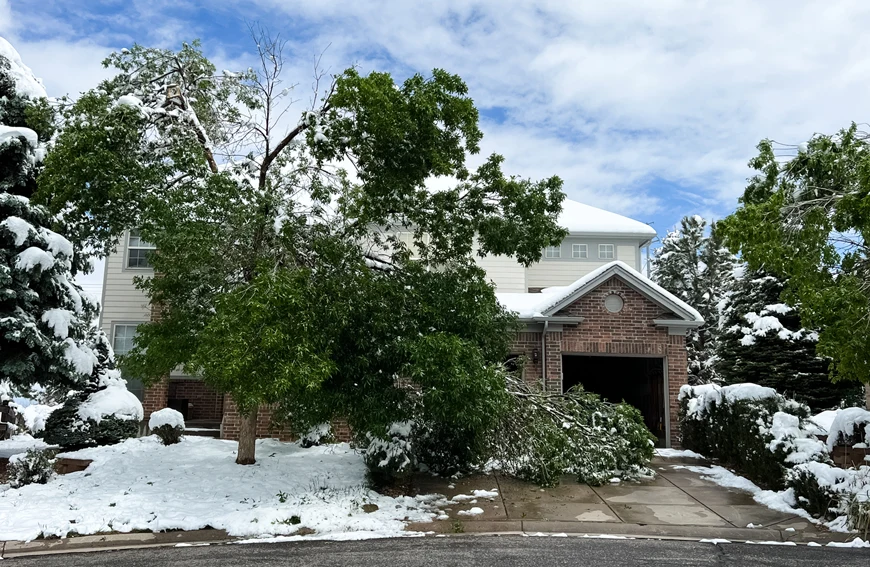
Severe storms can strike Aurora with little warning, bringing high winds, heavy rain, ice, or snow that put trees under extreme stress. While healthy trees often withstand rough weather, damaged or weakened trees can quickly turn into serious safety hazards. Fallen branches, split trunks, and uprooted trees threaten homes, vehicles, power lines, and personal safety. Knowing what to do after a storm is essential for protecting your property and responding responsibly.
At Five Star Tree Services, we help Aurora homeowners act quickly and safely when storm damage affects their trees. This guide explains how to assess storm damage, when emergency tree removal service is necessary, and how professional services help restore safety and peace of mind.
Understanding Storm-Related Tree Damage
Storm damage doesn’t always look dramatic at first glance. Some trees show obvious signs like fallen limbs or leaning trunks, while others may suffer hidden structural issues that worsen over time.
Common types of storm-related tree damage include:
- Broken or hanging branches
- Cracked or split trunks
- Trees uprooted or partially lifted from the soil
- Leaning trees with exposed roots
- Branches tangled in power lines
- Damage caused by ice accumulation or heavy snow loads
Even if a tree remains standing, internal damage may compromise its stability, making it a future risk if not addressed promptly.
Why Quick Action Matters After a Storm
Delaying action after storm damage can increase the risk of injury, property damage, and higher repair costs. Damaged trees may continue to weaken, especially if follow-up weather events occur. Hanging branches can fall unexpectedly, and compromised root systems can fail without warning.
Prompt response ensures:
- Improved safety for occupants and passersby
- Prevention of further damage to buildings or vehicles
- Reduced liability for homeowners
- Encourage faster recovery of your landscape
Emergency tree removal is not just about cleanup—it’s about risk management.
First Steps to Take After a Storm
After a storm passes, it’s natural to want to inspect your property immediately. While assessment is important, safety should always come first.
Start by visually surveying your yard from a safe distance. Look for obvious hazards such as fallen trees, large hanging branches, or trees leaning toward structures. Avoid standing under damaged trees or approaching tangled branches, especially near power lines.
If a tree or branch is touching electrical lines, keep your distance and contact your utility provider immediately. Never attempt to handle this situation yourself.
How to Identify a Tree That Needs Emergency Removal
Not every damaged tree needs to be removed. In some cases, pruning or stabilization may be enough. However, emergency tree removal is usually required when a tree presents an immediate danger.
Signs that emergency removal may be necessary include:
- A tree has fallen or is uprooted
- The trunk is split or severely cracked
- Large limbs are hanging overhead
- The tree is leaning significantly after the storm
- Roots are exposed or soil is lifting around the base
- The tree is pressing against a structure
- The tree threatens nearby roadways or walkways
Professional arborists can evaluate whether removal is the safest option or if the tree can be saved.
The Risks of DIY Tree Removal After a Storm
Storm-damaged trees are unpredictable. Internal cracks, unstable root systems, and heavy limbs under tension can shift suddenly. Attempting to remove or cut a damaged tree without proper equipment and experience can result in serious injury or further property damage.
DIY removal risks include:
- Falling branches causing injury
- Chainsaw accidents
- Unexpected tree movement
- Damage to nearby structures
- Electrical hazards
Hiring a professional tree service ensures the job is handled safely, efficiently, and in compliance with local guidelines.
What Makes Emergency Tree Removal Different
Emergency tree removal differs from routine tree services because of urgency, risk level, and working conditions. Arborists must often operate around unstable trees, limited access areas, or severe damage.
Professional emergency services involve:
- Rapid response and assessment
- Specialized equipment for hazardous conditions
- Strategic removal to minimize further damage
- Careful coordination around structures and utilities
- Immediate cleanup of debris
This specialized approach helps restore safety as quickly as possible.
How Professional Arborists Assess Storm Damage
When you call Five Star Tree Services, our certified arborists conduct a thorough evaluation of the damaged tree and surrounding area. This includes checking the tree’s structure, root stability, and proximity to hazards.
We assess:
- Extent of trunk and limb damage
- Tree species and growth habits
- Soil condition and root plate movement
- Risk to people and property
- Potential for recovery versus removal
This detailed assessment ensures the right decision is made for both safety and long-term landscape health.
Emergency Tree Removal Process Explained
Understanding the process helps homeowners feel more confident during a stressful situation. While each case is unique, emergency tree removal generally follows these steps:
- Initial safety assessment
- Establishing secure work zones
- Careful dismantling of hazardous limbs
- Controlled removal of the tree or damaged sections
- Debris removal and site cleanup
In some cases, cranes or specialized rigging may be used to safely remove large or hard-to-reach trees.
What to Do With Fallen Tree Debris
After a storm, fallen branches and tree debris can clutter your property and pose additional hazards. Professional tree services typically include debris removal as part of emergency response.
Debris removal helps:
- Restore access to driveways and walkways
- Prevent pest infestations
- Improve property appearance
- Prepare the site for repairs or replanting
Leaving debris unattended can attract insects and accelerate decay, which may impact nearby healthy trees.
Can Any Storm-Damaged Trees Be Saved?
Not all storm-damaged trees need to be removed. In some situations, corrective pruning, cabling, or bracing can stabilize a tree and allow it to recover.
Trees that may be salvageable often have:
- Minor limb damage
- Limited trunk injury
- Stable root systems
- Strong overall structure
An experienced arborist can recommend the best course of action based on safety and tree health.
Long-Term Tree Care After a Storm
Storm recovery doesn’t end with removal or cleanup. Ongoing tree care helps prevent future emergencies and keeps your landscape resilient.
Post-storm care may include:
- Structural pruning
- Soil aeration and root care
- Monitoring for delayed damage
- Removing weak or hazardous trees proactively
- Planting storm-resistant tree species
Preventative maintenance is one of the most effective ways to reduce storm-related risks.
How Storm Damage Affects Property Value
Damaged or unsafe trees can negatively affect curb appeal and property value. Buyers may see unresolved tree issues as a red flag, especially if large trees are close to structures.
Addressing storm damage promptly:
- Improves safety and aesthetics
- Protects long-term property value
- Shows responsible home maintenance
- Prevents further deterioration
Professional tree services help ensure your property remains attractive and secure.
Insurance Considerations After Storm Damage
Storm-related tree damage may be covered by homeowner insurance, depending on the situation. It’s helpful to document damage with photos and keep records of professional assessments and services performed.
Insurance providers often require proof that hazards were addressed promptly to reduce risk. Emergency tree removal performed by licensed professionals can support insurance claims and compliance.
Why Choose Five Star Tree Services in Aurora
When emergencies strike, experience and reliability matter. Five Star Tree Services provides prompt, professional emergency tree removal services tailored to the unique needs of Aurora homeowners.
Our team offers:
- Certified and experienced arborists
- Rapid emergency response
- Advanced equipment for complex removals
- Commitment to safety and professionalism
- Comprehensive cleanup services
We understand the stress storms bring and work efficiently to restore safety and order to your property.
Preparing for Future Storms
While storms can’t be prevented, preparation can reduce their impact. Regular tree inspections and maintenance help identify weak branches, structural issues, and declining trees before severe weather hits.
Proactive steps include:
- Annual tree health assessments
- Strategic pruning
- Removing high-risk trees early
- Choosing resilient species for new plantings
Prepared landscapes are safer landscapes.
Restoring Safety and Peace of Mind After a Storm
Storm damage can be overwhelming, but you don’t have to face it alone. Knowing when to call for emergency tree removal and trusting professionals to handle hazardous situations makes all the difference.
If your property in Aurora has been affected by storm-damaged trees, acting quickly protects your family, your home, and your investment. With expert care and timely response, your landscape can recover safely and effectively.
Five Star Tree Services is here to help when you need it most, providing reliable emergency tree removal and storm recovery services you can trust.