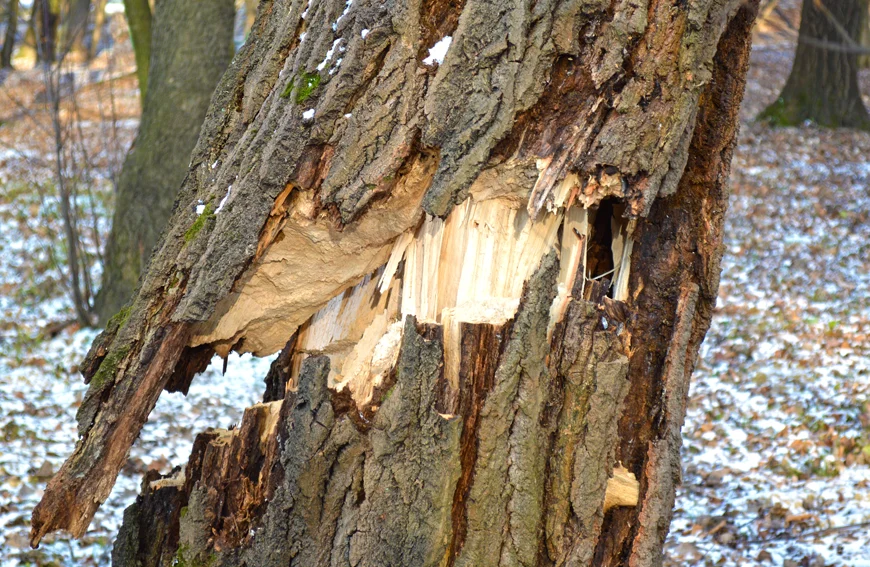
Severe weather in Toronto can take a heavy toll on your landscape, especially when strong winds, ice, or heavy rain cause trees to break or fall. Even the healthiest, well-maintained trees can suffer from storm damage that threatens both your property and safety. Knowing what to do after a storm hits is essential to minimize hazards and give your trees the best chance to recover.
At Five Star Tree Services, we understand how unpredictable Toronto’s weather can be. From intense thunderstorms to freezing rain, trees in the GTA are constantly exposed to stress. This article will guide you through the key steps to take after your trees are damaged by a storm — from assessing the damage to arranging professional tree care.
Understanding the Impact of Storms on Trees
Toronto’s climate brings a mix of snow, freezing rain, strong winds, and heavy downpours throughout the year. These weather conditions can severely affect trees in various ways:
- High winds can snap branches, uproot trees, or cause trunks to split.
- Freezing rain adds heavy ice buildup that can weigh down limbs until they break.
- Lightning strikes can split trunks, burn bark, or cause unseen internal damage.
- Heavy snow accumulates on evergreen branches, bending or breaking them.
- Soil saturation from rain can weaken root systems, increasing the risk of trees toppling over.
After a major storm, even minor-looking damage can compromise the tree’s health or stability. That’s why it’s vital to inspect your property and determine whether professional tree service is needed.
Step 1: Prioritize Safety First
Before doing anything, ensure your surroundings are safe. Damaged trees can pose immediate hazards such as falling branches, unstable trunks, or downed power lines.
- Stay away from electrical hazards: If a tree has fallen onto or near power lines, do not approach it. Contact your utility company immediately.
- Avoid entering damaged areas: Unstable trees can shift suddenly, especially in windy conditions.
- Inspect from a distance: Use binoculars or take photos for documentation if possible.
Once you’ve confirmed it’s safe, you can begin assessing the extent of damage or contact a certified arborist to do so.
Step 2: Assess the Damage
Careful evaluation helps determine whether your tree can recover or if it needs removal. Look for the following signs of storm damage:
- Broken or hanging branches: These can fall unexpectedly and must be removed promptly.
- Splits or cracks in the trunk: Deep cracks can compromise structural integrity.
- Uprooted trees: Trees tilted significantly or with visible root exposure may not survive.
- Damaged bark: Stripped or wounded bark exposes the inner wood, making the tree vulnerable to decay and pests.
- Leaf loss or defoliation: While some leaf loss is normal after strong winds, extensive defoliation could indicate severe stress.
If you’re unsure whether a tree is salvageable, Five Star Tree Services can perform a professional tree assessment to determine the safest and most effective course of action.
Step 3: Remove Immediate Hazards
Once it’s safe to do so, eliminate hazards that pose a threat to people or property. This includes:
- Clearing fallen branches or debris blocking driveways, sidewalks, or roofs.
- Removing partially broken limbs that hang loosely.
- Stabilizing trees that are leaning dangerously.
However, large branches or damaged trunks should never be handled without proper equipment or expertise. Improper removal can worsen damage or result in serious injury. For major hazards, always contact a Toronto arborist trained in storm damage cleanup.
Step 4: Prune and Clean Up Damaged Branches
Pruning plays a crucial role in helping trees recover from storm damage. Clean cuts promote faster healing and prevent disease. For smaller trees or minor damage, you can:
- Trim broken branches back to the nearest healthy lateral branch or the trunk.
- Avoid leaving stubs, which can become entry points for insects and rot.
- Use clean, sharp tools to make smooth cuts.
For large limbs, complex damage, or trees near power lines, professional pruning is strongly recommended. Our certified arborists at Five Star Tree Services use industry-approved techniques to ensure your trees recover safely while maintaining their natural shape.
Step 5: Decide Whether to Remove or Save the Tree
Not all storm-damaged trees can be saved. Some may appear stable but have internal damage that compromises their structure. Factors to consider include:
- Extent of damage: If more than 50% of the tree’s crown is broken, removal may be the safest option.
- Trunk and root condition: Cracked trunks or exposed roots are serious concerns.
- Tree location: Trees close to structures or utility lines may need removal for safety.
- Species and age: Younger trees and resilient species may recover more easily than older or brittle varieties.
Our tree removal specialists in Toronto can help you make an informed decision. If removal is necessary, we’ll handle the process efficiently and safely, including stump grinding to restore your landscape.
Step 6: Support Tree Recovery
If your tree is deemed healthy enough to keep, there are several ways to support its recovery:
Watering
Ensure adequate moisture, especially in the weeks following a storm. Trees under stress need consistent watering to help rebuild energy reserves.
Mulching
Apply a 2–3-inch layer of organic mulch around the base to retain moisture, regulate soil temperature, and protect roots. Keep mulch a few inches away from the trunk to prevent rot.
Fertilization
Avoid heavy fertilization immediately after storm damage. Wait until new growth appears before adding nutrients. A balanced, slow-release fertilizer can help in the following growing season.
Pest and Disease Monitoring
Storm damage leaves trees more susceptible to pests and infections. Watch for signs of fungal growth, insect infestations, or wilting leaves. Early detection helps prevent long-term damage.
Professional Care
Consider scheduling periodic check-ups with Five Star Tree Services. Our arborists can monitor healing progress, prune new growth, and provide treatments that strengthen root systems and overall vitality.
Step 7: Restore the Surrounding Landscape
Storms often leave more than just tree damage. You may find uprooted shrubs, compacted soil, or damaged grass. Restoring the surrounding area helps your entire landscape recover.
- Re-level soil: Fill in low areas created by uprooted trees or root movement.
- Aerate compacted soil: This improves oxygen flow to roots and helps grass regrow.
- Replant where necessary: Choose native tree species suited for Toronto’s climate, such as maple, oak, or spruce, for better resilience in future storms.
Our team at Five Star Tree Services can recommend ideal replacements and help with planting to ensure long-term landscape health.
Step 8: Prevent Future Storm Damage
While storms are unavoidable, you can take steps to minimize damage risks in the future. Preventive maintenance ensures trees are healthy, strong, and less likely to fail.
Here are some ways to protect your trees before the next storm:
- Regular pruning: Remove weak, dead, or overextended branches to improve wind resistance.
- Cabling and bracing: Reinforce vulnerable limbs or trunks using professional support systems.
- Tree health inspections: Schedule annual assessments to detect issues early, such as disease or decay.
- Proper watering and nutrition: A well-hydrated and nourished tree withstands stress better.
- Root care: Avoid compacting soil near roots and limit heavy traffic around tree bases.
Preventive maintenance not only safeguards your trees but also reduces the likelihood of property damage and costly emergency removals.
Step 9: Call a Certified Arborist for Emergency Assistance
In some cases, storm damage is too extensive to handle on your own. Fallen trees blocking driveways, damaged power lines, or split trunks require professional attention.
At Five Star Tree Services, we provide emergency tree removal and storm cleanup services across Toronto and the GTA. Our licensed arborists are equipped with the right tools and training to handle even the most complex tree emergencies safely and efficiently.
We also help with:
- Assessing damage and recommending recovery plans
- Removing hazardous trees and branches
- Stump grinding and debris clearing
- Ongoing maintenance to restore your property’s safety and beauty
Why Choose Five Star Tree Services in Toronto
When your property faces storm damage, you need a reliable team that understands local conditions and tree species. Here’s why homeowners across Toronto trust Five Star Tree Services:
- Certified arborists: Experienced professionals trained in tree biology, care, and safety.
- Comprehensive services: From pruning and removal to emergency response and tree planting.
- 24/7 availability: Quick response for storm emergencies when you need help most.
- Safety-focused approach: We prioritize your property’s safety and long-term tree health.
- Local expertise: Knowledge of Toronto’s unique weather patterns and soil conditions.
Our goal is to restore your property quickly and efficiently while ensuring your trees recover or are safely removed.
Protect Your Toronto Property Today
Storm damage can be stressful, but with the right care and professional guidance, your trees and landscape can bounce back stronger than before. Whether it’s pruning damaged limbs, removing fallen trees, or planning preventive maintenance, Five Star Tree Services is here to help.
If you’ve recently experienced storm damage in Toronto, don’t wait for the problem to worsen. Our experienced arborists can assess your trees, ensure safety, and develop a customized recovery plan.
Call Five Star Tree Services today at (416) 990-3355 to schedule your consultation and get professional help restoring your property after storm damage.